Welcome to
Tim’s Microgreens
Microgreen Products
Green cabbage microgreens are crisp, mildly peppery, nutrient-dense, fast-growing, vibrant green, tender, and rich in vitamins A, C, and K.
Green cabbage microgreens are used to:
* Garnish dishes for colour and crunch
* Enhance salads and wraps
* Add nutrients to smoothies
* Top soups and sandwiches
* Boost flavor in stir-fries
* Complement eggs or grain bowls
* Provide antioxidants and vitamins in health-focused meals
Green Cabbage
Red Cabbage
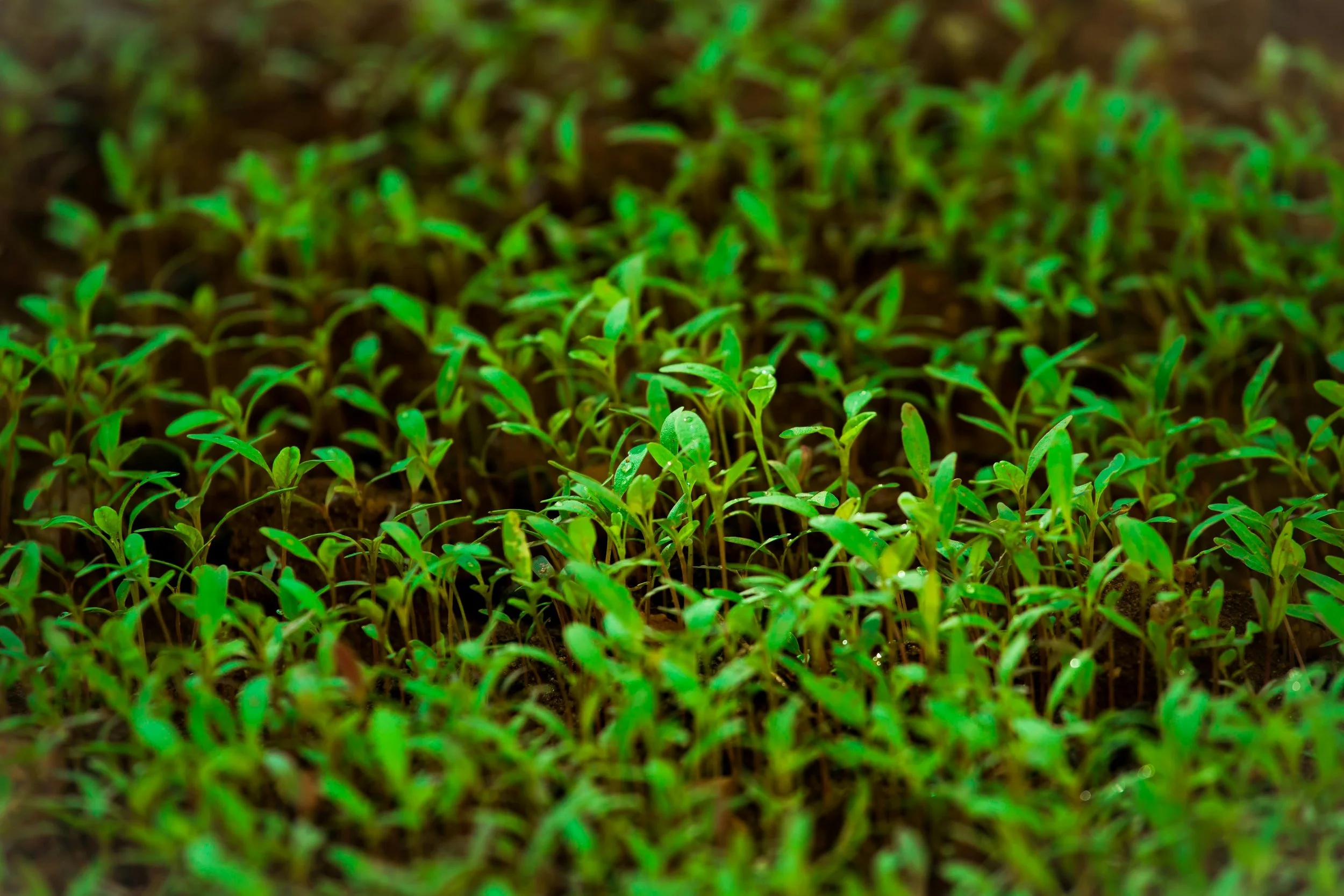
Red cabbage microgreens have vibrant purple stems and green leaves. They offer a mild, slightly peppery taste, crisp texture, and are rich in vitamins A, C, K, and antioxidants.
Red cabbage microgreens are used in salads, sandwiches, and smoothies for colour, crunch, and mild flavor. They're rich in nutrients and antioxidants, making them popular in health foods and gourmet dishes.
Radish
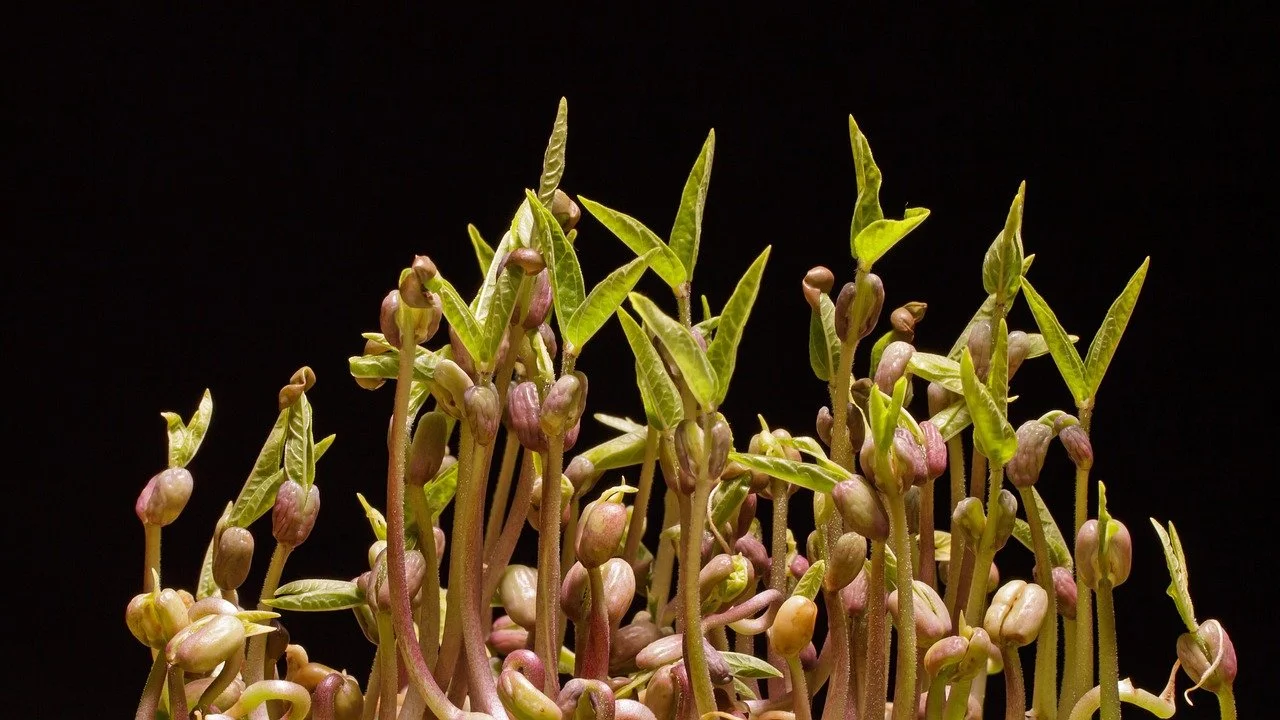
Radish microgreens have the following characteristics:
Vibrant red to purple stems with green or reddish leaves
Peppery, sharp, and slightly spicy (similar to mature radish)
Rich in vitamins A, C, E, K, antioxidants, and minerals
Adds colour, flavor, and crunch to salads, sandwiches, and garnishe
Radish microgreens are used to enhance flavor, texture, and visual appeal in salads, wraps, sandwiches, and soups. They’re nutrient-rich, offering vitamins and antioxidants, and are popular in health-focused diets and gourmet cuisine.

Wheat Grass
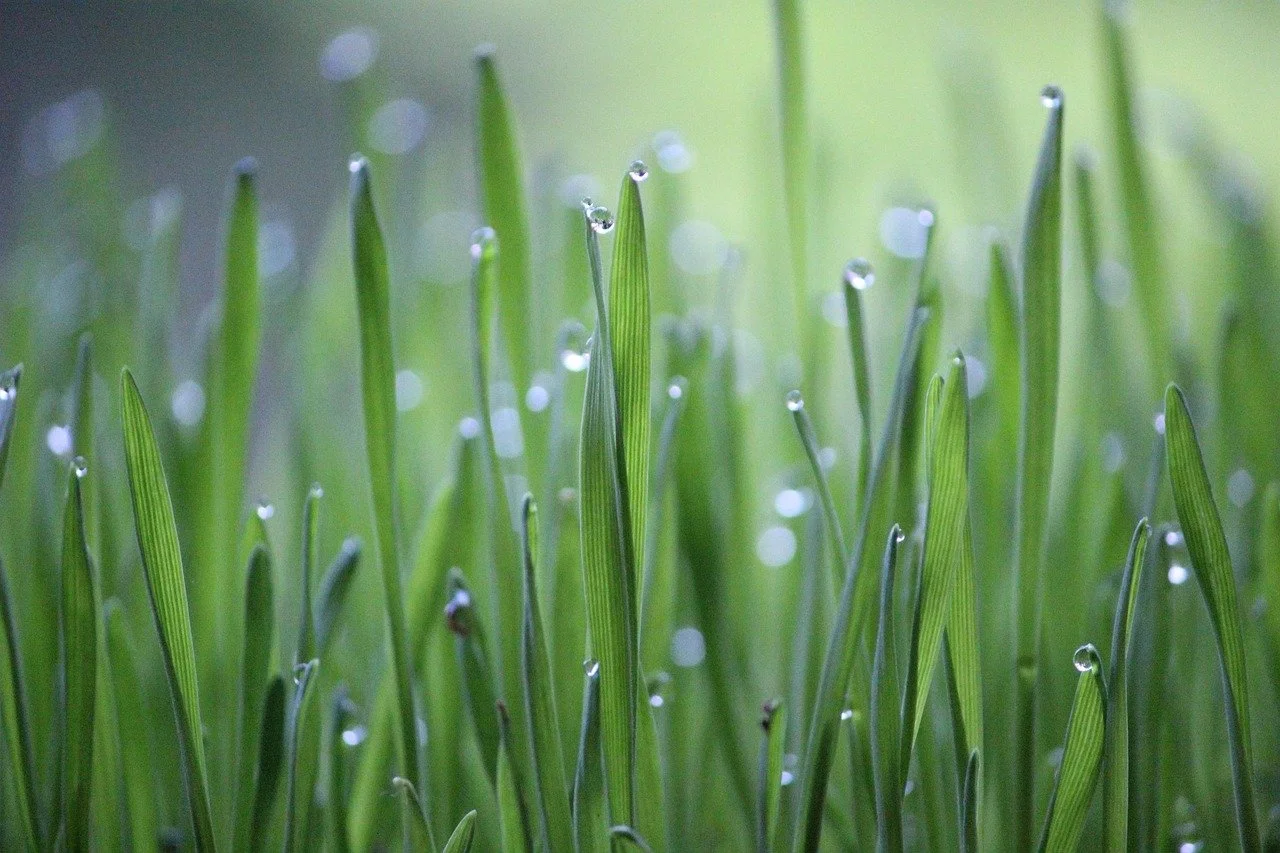
Wheatgrass microgreens are sweet, grassy, vibrant green, dense, fibrous, fast-growing, and packed with chlorophyll, antioxidants, vitamins, and detoxifying properties.
Wheatgrass can be used in several ways:
Juicing– Most common method. Juice fresh wheatgrass using a juicer and drink 1–2 ounces daily.
Smoothies – Blend wheatgrass juice into fruit or green smoothies.
Skin Care – Apply juice topically for minor skin irritations or acne.
Mouth Rinse – Used as a natural mouthwash for gum health and fresh breath.
Always start with small amounts to check for tolerance.